
Fragrance for Sensitive Skin: A Practical Guide
You want to wear fragrance. You also don't want to spend the day wondering whether that elegant floral, clean musk, or smooth woody scent is about to leave your skin hot, itchy, or visibly annoyed.
That tension is real. Plenty of people love fragrance and still approach a new bottle with caution. In a U.S. survey, 30.5% of the general population said scented products worn by other people were irritating, and 19% reported adverse health effects from air fresheners, according to this PubMed record on fragrance sensitivity. Fragrance sensitivity isn't a niche issue. It shows up in offices, flights, rideshares, dinner tables, and daily routines.
The good news is that enjoying luxury scent doesn't have to mean gambling with your skin. The smarter approach isn't just finding a fragrance for sensitive skin. It's learning how to choose one, test it slowly, and wear it with control.
That's where smaller formats make sense. If you've ever moved from fragrance sample vials to something more usable, you already know the sweet spot sits between “barely enough to test” and “far too much commitment.” A portable, well-made fragrance size gives you room to explore without forcing a full-bottle decision before your skin has had a say.
Finding Your Scent Without the Setback
A lot of people with sensitive skin make the same mistake first. They shop by notes, branding, or hype. Then they spray a new scent the way everyone else does, straight onto the neck or wrists, and hope for the best.
I don't recommend that.
If your skin reacts easily, fragrance should be approached like tailoring. The fit matters. The fabric matters. The way you wear it matters just as much. A scent that feels beautiful in the air can feel completely different once it meets warm skin, friction, and repeated use.
Why caution is stylish, not limiting
Sensitive skin doesn't disqualify you from fragrance. It just means you need standards.
A considered fragrance wardrobe is often better than an impulsive one. You become more selective about formula, concentration, and application. You stop chasing random “must-haves” and start choosing scents that fit your actual life, your workday, your commute, your travel routine, your tolerance.
Practical rule: If a fragrance makes you nervous to wear, it isn't luxury. Luxury should feel controlled and comfortable.
What most people actually need
They don't need another generic list of “safe perfumes.” They need a way to test scent in real conditions.
That means asking better questions:
- Where will you wear it most often. Office, date night, flights, weekend errands, or events all change how noticeable a fragrance feels.
- How reactive is your skin. Mild dryness calls for one strategy. Quick redness or stinging calls for another.
- Do you want skin wear or fabric wear. Those are different experiences, and the difference matters.
A good fragrance for sensitive skin isn't only about the bottle. It's about using the bottle intelligently.
Understanding Fragrance Sensitivity
Fragrance sensitivity gets flattened into one vague idea, and that's where bad advice starts. Not every reaction is the same, and not every “bad experience” points to the same problem.

The reaction might not be just a rash
Some people develop visible skin issues. Others notice dryness, stinging, sneezing, headaches, or that heavy “I need to get away from this smell” feeling in enclosed spaces. Independent guidance on fragrance reactions also points to problems like redness, itching, hives, sneezing, headaches, and sunlight-triggered reactions. That's why treating all sensitivity as one single category is lazy advice.
A major review found that among people with fragrance contact allergy, 16.1% experienced contact dermatitis, while 59.6% reported dry skin and 47.9% reported generally sensitive skin, as summarized in this review on fragrance exposure and dermatitis. In other words, irritation doesn't always arrive as an obvious rash. It can look like persistent dryness, discomfort, or skin that suddenly feels less resilient.
The main trigger types to separate
If you're trying to choose fragrance more intelligently, sort your issue into the right bucket first.
- Contact dermatitis. This is the classic skin reaction. Redness, itching, irritation, or a visible flare after direct contact.
- General barrier irritation. Your skin doesn't erupt, but it feels dry, tight, or unsettled after fragranced products.
- Respiratory sensitivity. The scent may be fine on skin but overwhelming in shared spaces, cars, offices, or planes.
- Photosensitivity concerns. Some fragrance profiles can become a worse idea when skin will be exposed to strong sunlight.
That distinction matters because the right solution changes with the trigger.
Some people don't need a different scent. They need a different application method.
Natural isn't the point
A lot of shoppers still assume “natural” means gentler. That's not a useful shortcut. What matters more is whether a formula is thoughtfully constructed, compliant, and clear about what's inside it.
Clinical allergy literature discussed in a fragrance-sensitivity guide points to ingredients commonly implicated in contact dermatitis, including linalool, limonene, citronellol, geraniol, hexyl cinnamal, and benzyl salicylate, and recommends paying attention to IFRA-compliant formulas and patch testing rather than relying on “natural” as a safety signal, as outlined in this guide to perfume and sensitive skin.
If your skin barrier is already reactive, pairing fragrance caution with calmer skincare usually helps. A plain, supportive moisturizer can make a difference, especially if your skin runs dry or easily irritated. If you're reviewing options, this guide to an organic aloe vera moisturizer is a useful starting point for barrier-friendly hydration.
Choosing Your Fragrance with Confidence
The smartest way to shop is to focus on formulation first and scent profile second. That might sound unromantic. It isn't. It's efficient.
If your skin tends to react, start with structures that are usually easier to live with. Experts recommend alcohol-free fragrances, low-concentration eau de toilettes, or pure parfum oils because they reduce exposure to common irritants like ethanol and can be gentler on the skin barrier, as explained in this guide to perfumes for sensitive skin.
What to prioritize first
Forget marketing language for a moment. Look for signs that a fragrance was built with wearability in mind.
| Fragrance Characteristics for Sensitive Skin | |
|---|---|
| Look For These Attributes | Be Mindful of These Attributes |
| Alcohol-free formulas | Heavy reliance on high-alcohol spray structures |
| Low-concentration eau de toilette styles | Very intense compositions you plan to overspray |
| Pure parfum oils | Broad, diffusive sprays over large skin areas |
| Hypoallergenic positioning | Opaque ingredient communication |
| Transparent ingredient lists | Complex compositions you can't easily test |
| Simpler scent profiles | Aggressive citrus- or spice-forward directions if you already react to those families |
| Controlled, light application potential | Fragrances that seem to require multiple sprays to feel present |
Ingredients worth watching
This isn't a panic list. It's a mindfulness list.
If you know your skin is reactive, pay attention when you see names such as linalool, limonene, citronellol, geraniol, hexyl cinnamal, and benzyl salicylate. These ingredients can show up in many well-known scent styles. Their presence doesn't automatically mean a fragrance will be a problem for you, but they're worth noting if you're trying to identify patterns in past reactions.
My practical shopping advice
Start with lighter scent families and cleaner compositions. Test one fragrance at a time. Don't buy a full bottle because the top notes impressed you in the first five minutes.
If you also pay close attention to skin reactivity in makeup and complexion products, ingredient-conscious resources can be useful beyond fragrance too. This roundup of brands for hyperpigmented skin is a helpful example of how careful shoppers evaluate formulas when irritation and skin response matter.
My view: Sensitive skin shoppers should stop chasing “safe perfume” labels and start building a personal yes-no list based on formula, ingredient transparency, and real wear experience.
And if you want a buying mindset that prevents expensive mistakes, use the same logic you'd use for any premium purchase. Try before committing. That's why a guide like try before you buy perfume is the right way to think about fragrance when your skin is selective.
The Smart Way to Test and Apply Your Scent
This is the part most fragrance advice gets wrong. It tells you what to buy, then skips over how to wear it without trouble.
That omission matters. Existing guidance often recommends patch testing, applying lightly, and using clothing as an alternative surface, but rarely explains the trade-offs. Applying fragrance to clothes can reduce skin contact, yet it may change projection, longevity, and fabric behavior. That real-world gap is exactly why a portable 10ml format is useful for controlled testing and gradual wear, as discussed in this practical guide to low-irritation fragrance profiles.

Test like a grown-up, not like a gambler
If you have reactive skin, the test is part of the purchase.
A clinical-minded approach is simple. Apply a small amount to a discreet area of the forearm and monitor it over time. For highly reactive users, patch testing over 2 weeks is the most sensible route before treating a fragrance as part of your regular routine, based on the practical advice summarized in the earlier cited Prosody guide.
Here's the method I recommend:
- Choose one fragrance only. Don't test three on the same day. You want clean feedback.
- Apply a tiny amount to a small forearm area. Not your neck. Not your chest.
- Wait and watch. Check for itching, dryness, redness, warmth, or that subtle “my skin doesn't like this” feeling.
- Repeat carefully. If nothing happens, test again before moving to normal wear.
- Graduate your application. Start with clothing or very light wear before going to direct-skin use.
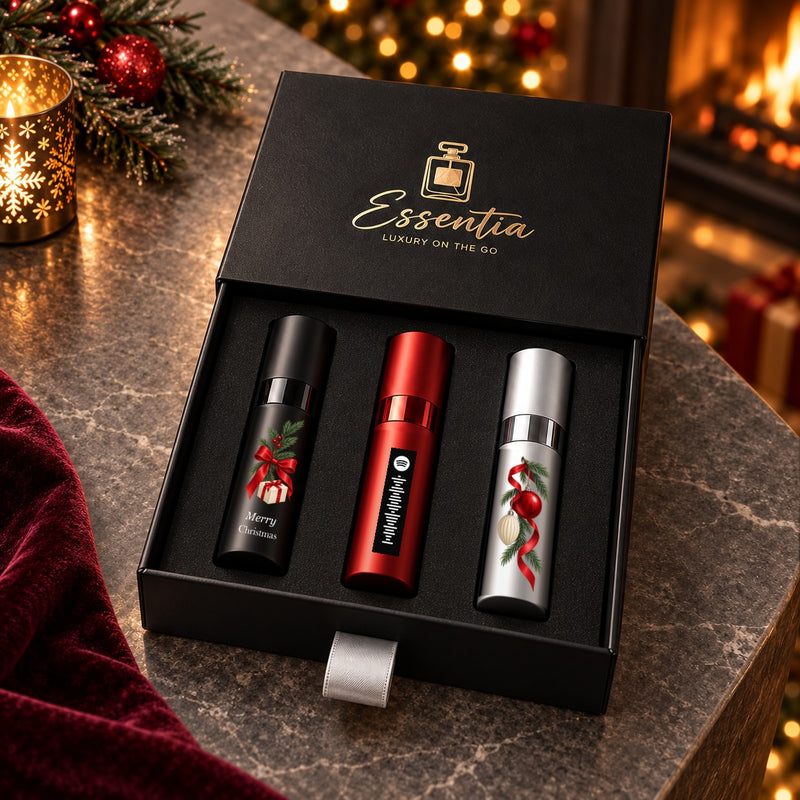
A compact bottle helps here because it supports restraint. One measured spray is easier to manage than treating a full-size bottle like a room fragrance. A travel format from Essentia Perfume fits that testing logic well because it gives you a lower-commitment way to explore luxury scent in a portable, controlled size.
Better places to apply
The old advice to spray hot pulse points isn't ideal for everyone. Heat and friction can increase evaporation and make irritation feel stronger.
Smarter options include:
- Clothing first. Less skin contact, softer exposure. Always test fabric compatibility first.
- Cooler skin areas. If you wear on skin, go lightly on areas that don't run as warm.
- Very small amounts. Sensitive skin does not reward enthusiasm.
This visual guide is useful if you want a quick refresher on placement and spray habits:
Wear rule: If a fragrance only works when you spray a lot of it, it probably isn't the right one for your routine.
For a more general refresher on placement and technique, how to apply perfume properly is worth reviewing, then adapting for your own sensitivity level.
Thoughtful Gifting and Proper Fragrance Care
Buying fragrance for someone with sensitive skin can feel risky. That's exactly why oversized, full-bottle gifting is often the wrong move.
A smaller format is more considerate. It gives the recipient space to test, wear lightly, and decide what works without the pressure of owning a large bottle they may never finish. That's not less luxurious. It's more thoughtful.

Store fragrance properly
Storage affects wear experience more than people think. Keep fragrance away from heat, direct sunlight, and steamy bathroom shelves. A cool, darker place is the safer choice.
If a formula changes over time, the scent can feel different, and that's the last thing sensitive users need. Consistency matters. Treat fragrance like a well-made accessory, not a random countertop item.
Better gift logic for sensitive users
If you're buying for someone else, choose flexibility over drama.
- Go smaller, not louder. A travel-size fragrance is easier to test and easier to carry.
- Choose discovery over pressure. A curated set makes more sense than a blind full-bottle commitment.
- Keep the presentation refined. Tasteful personalization, a short message, or event-specific packaging makes the gift feel intimate without being gimmicky.
This is especially smart for birthdays, travel gifts, anniversaries, groomsmen gifts, and professional gifting. Fragrance can be personal, and that's why format matters as much as scent.
A good fragrance gift says, “I thought about how you'll actually use this.”
Embrace Luxury Fragrance on Your Own Terms
Sensitive skin doesn't mean fragrance is off-limits. It means you need a sharper method.
Choose formulas with care. Pay attention to ingredients and concentration. Test slowly. Apply lightly. Be honest about where and how you wear scent, especially in work settings, travel, and close-contact environments. Those practical decisions matter more than perfume marketing ever will.
The best fragrance for sensitive skin is rarely the one with the loudest “clean” story or the prettiest bottle. It's the one that fits your triggers, your habits, and your tolerance in real life. That usually comes down to controlled testing and smaller-format discovery, not impulse buying.
Luxury should feel good on your skin and easy in your routine. If it doesn't, keep refining. You're not being difficult. You're being discerning, and that's exactly how fragrance should be approached.
If you want a more practical way to explore fragrance for sensitive skin, browse Essentia Perfume for travel-size luxury options that make testing, gifting, and everyday carry feel more measured and personal.